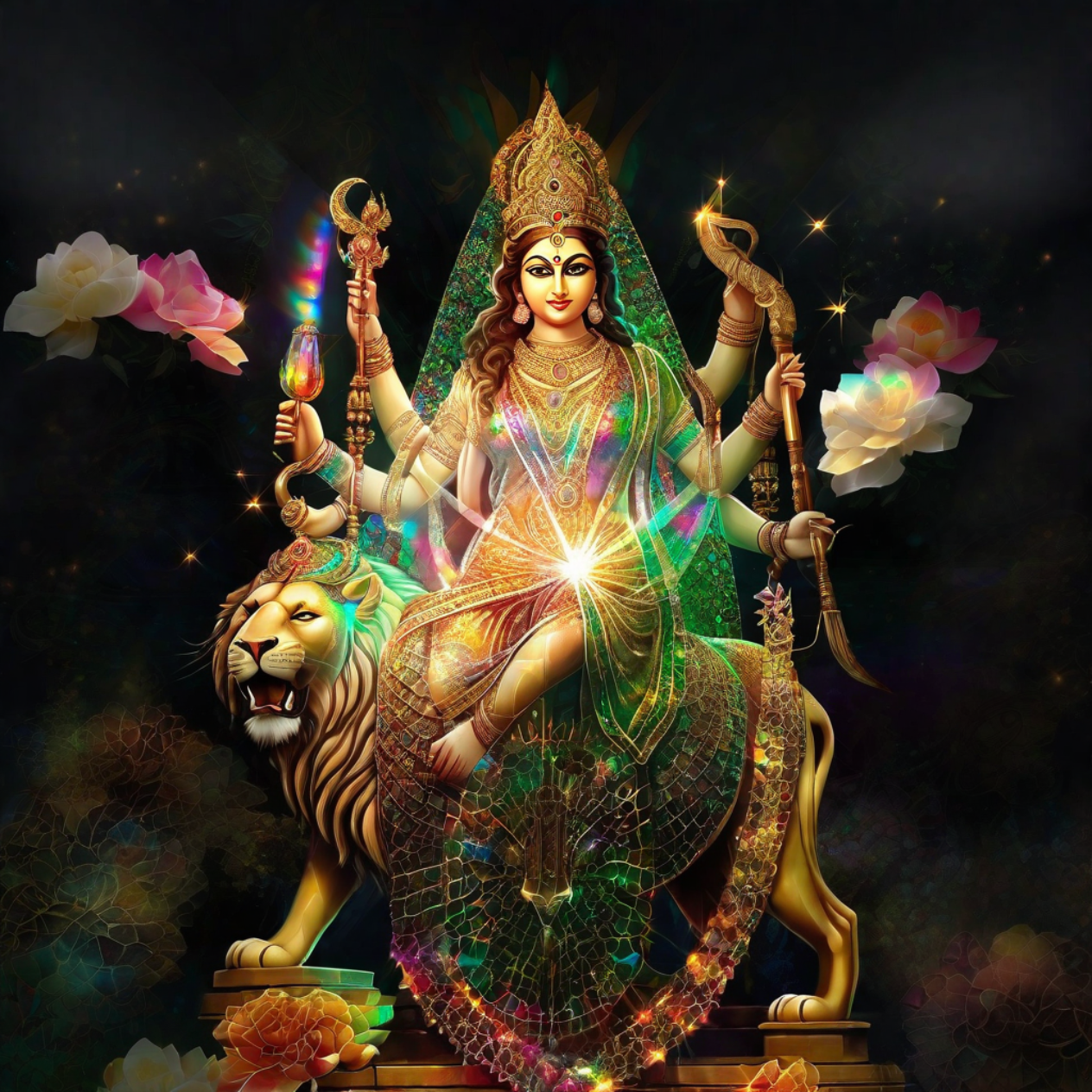
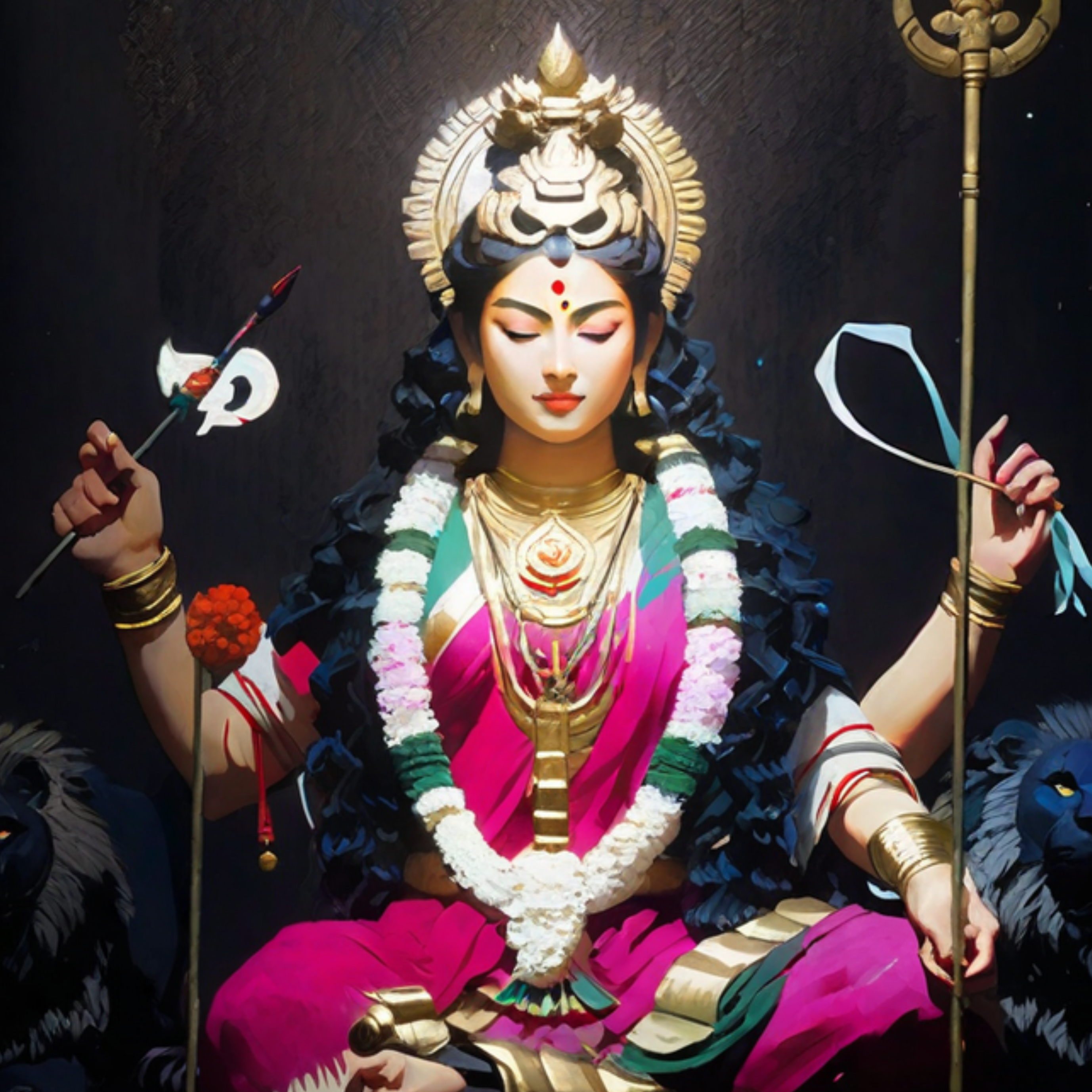
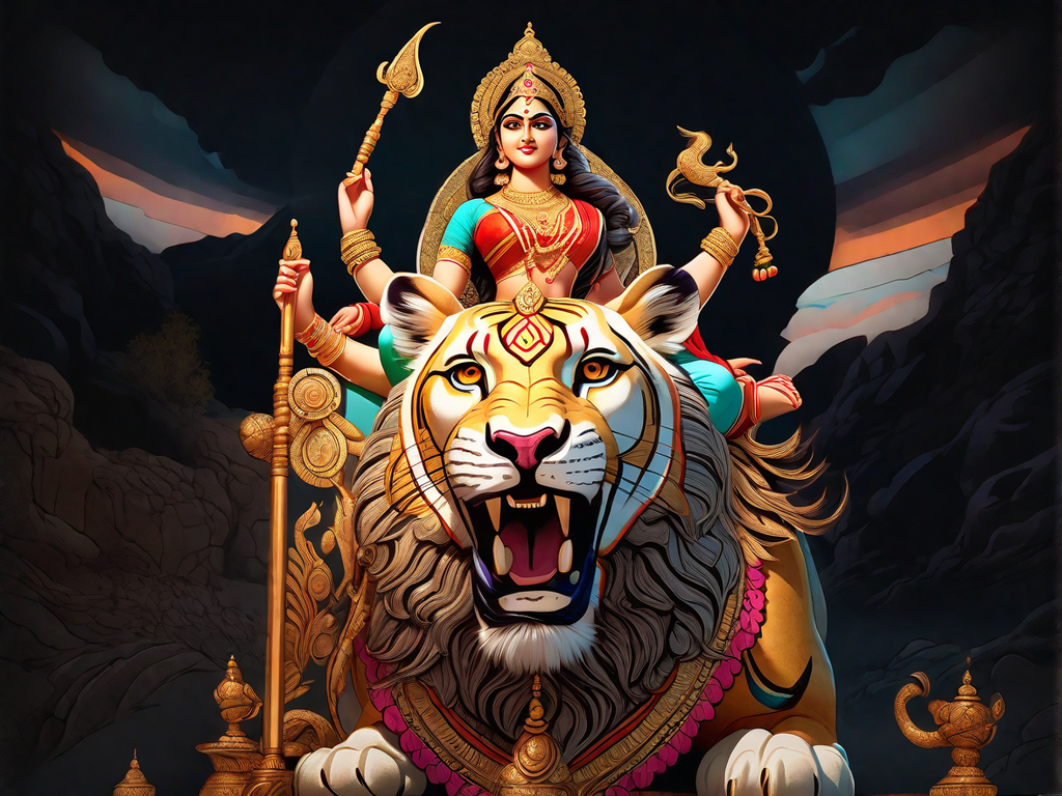
In the realm of Hindu deities, one striking characteristic sets them apart—their depiction with multiple arms. Whether it's Ganesh, Durga, Kali, or Vishnu, many gods and goddesses are illustrated as having numerous hands.
These additional arms aren't just ornamental; they symbolize immense power and the capacity to execute multiple actions simultaneously, akin to today's multitasking. They serve a purpose, accentuating the deity's ability to bless devotees or combat malevolent forces. Additionally, hands universally signify dexterity, generosity, and connection. Thus, having more than two arms highlights the deity's generosity, agility, and assistance to humanity.
Vishnu Bhagwan, representing the universe's sustenance, manifests this symbolism in his divine form, holding distinct items in his four hands. Each item—be it the conch, mace, discus, or lotus—carries a specific meaning, emphasizing communication, energy, protection, and grace. Moving from divine to human hands, the role of our hands in devotion becomes evident. They encapsulate the presence of divinity itself. A mantra describes the presence of different deities at various points on our hands, urging us to revere them each morning. It's a reminder that our hands are meant for righteous actions and respect for all life forms. Simple yet profound gestures mark the beginning of our day, wherein we join our hands, invoking the blessings of Lakshmi, Saraswati, and Krishna for guidance and success. The customary greeting, "Sita Ram," encapsulates a prayer for blessings upon everyone, invoking the divine mother and father to purify both ourselves and the atmosphere. Just as sign language enables communication, Hinduism incorporates mudras—hand positions or symbolic gestures—to communicate with divinity. These mudras serve physical, mental, and spiritual purposes, with around 400 variations utilized in prayer, meditation, dance, and yoga.
Anjali Mudra, where palms and fingers align, signifies harmony with the five elements of creation, a universally accepted posture during prayer across various cultures. Specific mudras accompany chants like Gayatree and Myritunjaya, aiding effective communication and stabilizing the body and mind in meditation. Moreover, they contribute to the treatment and prevention of various ailments. The use of the right hand in spiritual acts carries significance deeply rooted in Hindu philosophy, Vedic teachings, and the chakra system. It's considered the instrument for feeding both the body and the soul, aligning with divine mandates and societal traditions. While left-handedness exists, Vedic injunctions emphasize the right hand's use for spiritual practices. Regardless of handedness, adhering to these traditions is paramount, with the right hand always wearing the raksha—an emblem of spiritual protection.
In conclusion, the power and significance attributed to divine and human hands in Hinduism transcend mere symbolism, offering a profound connection between mortal beings and the divine.